Agaseke — the peace basket of Rwanda
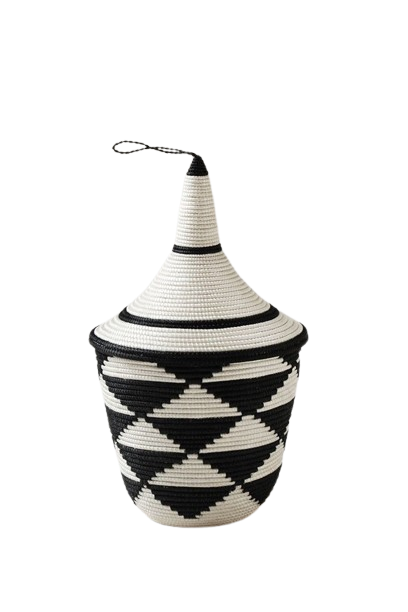
The Agaseke is Rwanda's most emblematic craft — a tall, elegant, conical woven basket with a pointed lid, made in the hills of Eastern and Northern Province. It's more than an object. Understanding what Agaseke means is a small way of understanding Rwanda itself.
What is Agaseke?
Agaseke (plural: ubutseko or agaseke) is a traditional Rwandan woven basket with a distinctive conical shape and pointed lid. Historically woven from ubutare (a species of local grass) and igihindiro (sisal fibre), often decorated with dyed patterns. The best examples take days to complete and are strikingly geometric.
Why it's called the "peace basket"
The Agaseke is a symbol of Rwandan hospitality, unity, and reconciliation. Historically it was gifted at weddings, births, and to visitors as a sign of welcome — the giver placing small items inside as a symbol of good wishes.
After 1994, the Agaseke took on a new significance in Rwanda's national reconciliation efforts. Cooperatives were formed bringing together women from all backgrounds — including widows from both sides of the genocide — to weave together, share income, and rebuild trust one basket at a time. The Agaseke became the visual symbol of that work, ultimately featured on the Rwandan coat of arms.
How it's made
A single Agaseke takes 3–5 days to complete. The process:
- Grass and sisal are gathered, dried, and separated into fine strands.
- Some strands are dyed with natural pigments — historically banana leaves for green, avocado pit for red-brown, charcoal for black.
- Weaving starts from the base as a tight coil, spiralling outward and upward.
- Patterns emerge from careful colour placement — zigzags, chevrons, concentric bands.
- The lid is woven separately and shaped to a fine point.
Where to see and buy Agaseke
Eastern Province cooperatives
Small women's cooperatives around Rwamagana, Nyagatare, and Kayonza welcome respectful visitors. Ask us when you check in and we can arrange a visit — usually with 24 hours notice. Prices vary: small baskets RWF 5,000–15,000; large ceremonial pieces RWF 30,000–100,000+.
Kigali craft shops and galleries
Gahaya Links, Question Coffee's craft partner, and the airport craft shops all stock Agaseke. Prices reflect retail markups; you'll pay more than at source but the quality is generally reliable.
Kimironko Market, Kigali
The famous craft market has dozens of Agaseke pieces from various regions. Bargain politely. Not always the highest-quality craftsmanship — inspect the weave tightness and lid fit before buying.
What to look for when buying
- Tight, even weave: fingernail-tight coils. Loose weave = shortcut work.
- Symmetric patterns: hand-woven means slight imperfections are normal, but should be balanced overall.
- Lid fit: should sit snugly, not wobble.
- Fibre quality: should feel firm and dry, not spongy.
- Provenance: if you can buy directly from the cooperative that made it, do — the story travels with the basket.
Caring for an Agaseke at home
- Keep out of direct sunlight (fades natural dyes over years).
- Dust with a soft brush — never wet.
- Store in a low-humidity environment; damp warps the shape.
- Handle by the base or body, not the delicate lid tip.
Umurage our heritage
Not a relic, but a living inheritance — the art, dance and hospitality you'll meet across the Eastern Province.
-
 Imigongo
geometric art
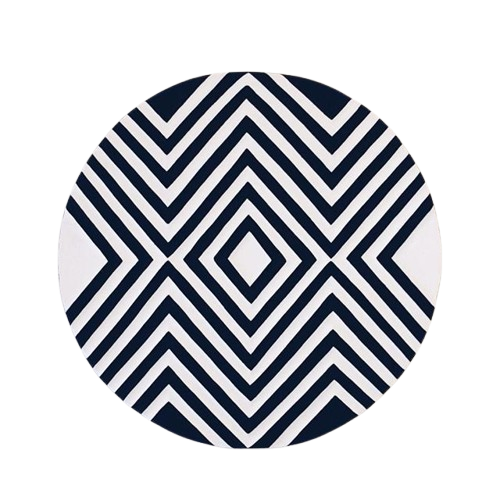
Bold black, white, red & ochre geometry — the pattern language of this very site.
-
Agaseke
peace basket
The woven basket of hospitality, gifted in welcome and celebration.
-
 Intore
dance of heroes
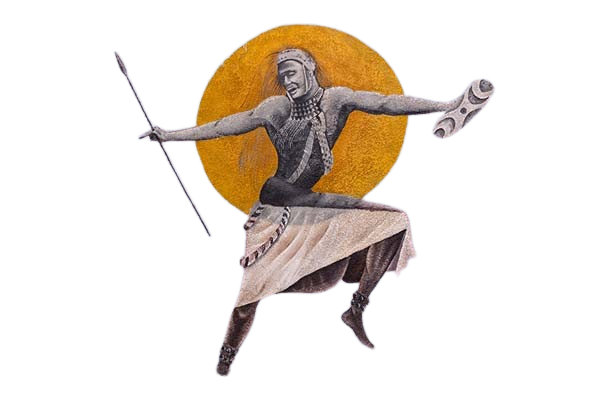
The leaping warrior dance — drums, spears and grace in motion.
-
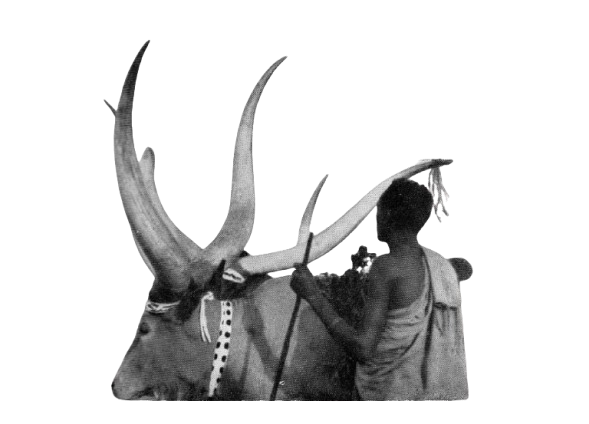 Inyambo
royal cattle
Majestic long-horned cattle, bred for the king's herd and honoured still.
-
Ingoro y'Umwami
the King's Palace
The beehive-shaped royal residence at Nyanza, thatched by hand.