Imigongo — the geometric art of Eastern Rwanda
Bold black, white, red, and ochre triangles arranged in symmetrical patterns — Imigongo is Rwanda's most distinctive folk art, and it comes from right here in Eastern Province. What it is, where it comes from, and where you can see it today.
What is Imigongo?
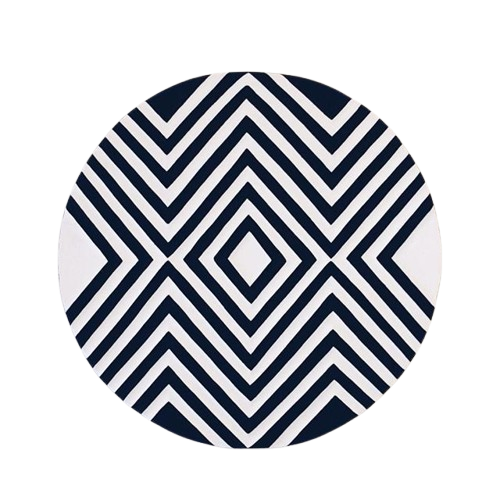
Imigongo (plural of umugongo, meaning "line" or "ridge" in Kinyarwanda) is a traditional Rwandan geometric art form. Panels are built up from a base of cow dung mixed with wood ash — a durable, weatherable base — then painted with natural pigments derived from clay, banana ash, aloe, and plant dyes. The classic palette is black, white, red, and ochre.
The designs are bold, symmetrical, and mathematical: nested triangles, diamonds, zigzag chains, and spirals. The art is functional as much as decorative — historically used to decorate the interiors of homes, and today applied to panels, wall hangings, coasters, even furniture.
Where does it come from?
Imigongo originated in what is now the Kirehe District of Rwanda's Eastern Province, traditionally attributed to Prince Kakira ka Kimenyi in the 18th century. The art form was passed down through families and communities in the eastern lowlands.
During the 20th century, Imigongo was primarily made by women within homes and villages. After 1994, cooperatives were established to formalise the craft, provide livelihoods to widows and vulnerable women, and preserve the tradition. The most well-known is the Kakira Cooperative at Nyakarambi in Kirehe District — 90 minutes east of Kayonza.
Where to see and buy Imigongo today
Kakira Cooperative, Nyakarambi (Kirehe District)
The working centre. You can watch artisans build panels from base up: cow dung mixed with ash, formed into patterns with a knife, sun-dried, then painted. Small pieces (coasters, A5 panels) from RWF 5,000; larger wall panels RWF 30,000–150,000.
Kigali galleries and craft shops
Inema Arts Center, Question Coffee (occasional pieces), and craft shops at the airport and Kimihurura all stock authentic Imigongo. Prices reflect Kigali retail markups — you'll pay more than at the cooperative.
At Umugano Cottage
Imigongo motifs are woven into our design — you'll see them on the footer of our website, in cushions and small wall hangings in the cottages, and as accent patterns throughout the property. We work with the Kakira Cooperative when we buy new pieces.
Buying tips
- Buy at source if you can: Kakira and other cooperatives keep the value with the artisans.
- Look at the pattern quality: hand-cut lines will be slightly imperfect. Machine-made replicas have too-perfect edges.
- Ask about the pigments: traditional natural pigments deepen and slightly darken over decades. Synthetic dyes are common now — not "wrong" but different.
- Small pieces travel best: A4-sized panels fit in a suitcase without risk.
Umurage our heritage
Not a relic, but a living inheritance — the art, dance and hospitality you'll meet across the Eastern Province.
-
Imigongo
geometric art
Bold black, white, red & ochre geometry — the pattern language of this very site.
-
 Agaseke
peace basket
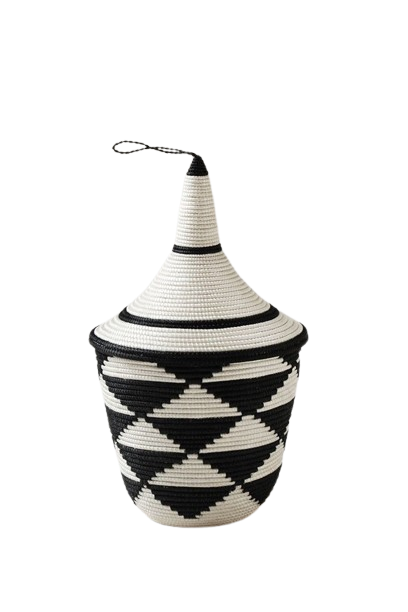
The woven basket of hospitality, gifted in welcome and celebration.
-
 Intore
dance of heroes
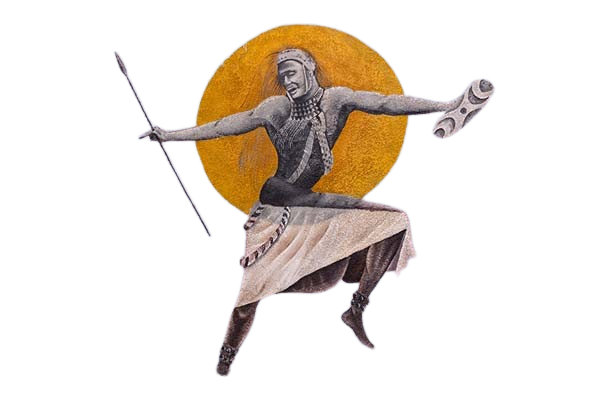
The leaping warrior dance — drums, spears and grace in motion.
-
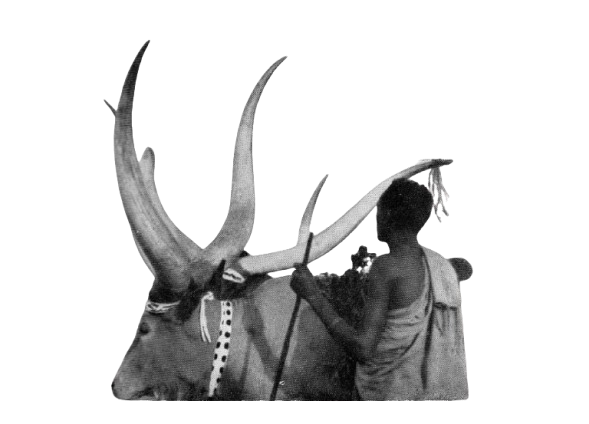 Inyambo
royal cattle
Majestic long-horned cattle, bred for the king's herd and honoured still.
-
Ingoro y'Umwami
the King's Palace
The beehive-shaped royal residence at Nyanza, thatched by hand.